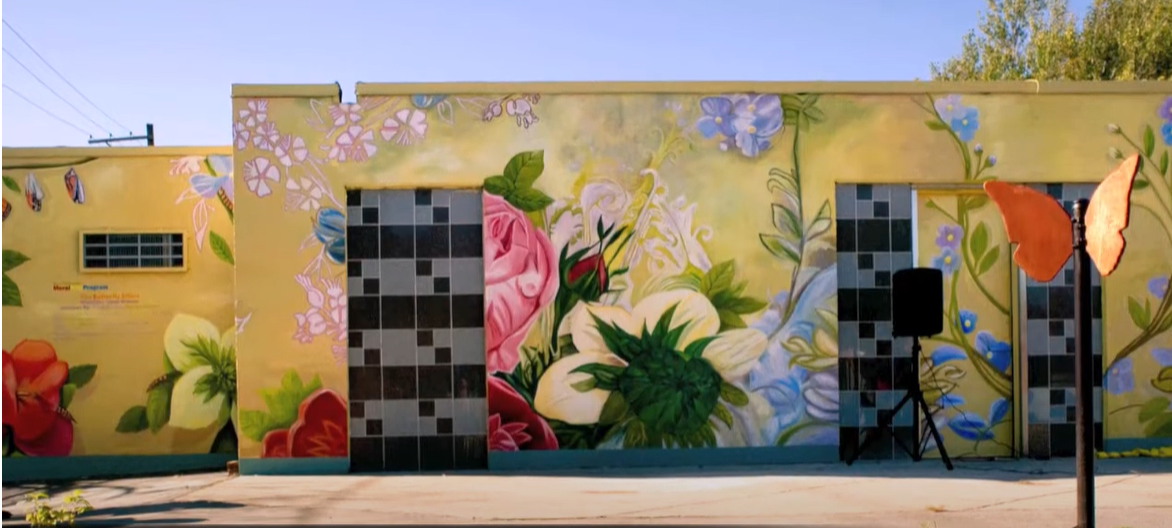
Philadelphia is a city steeped in history and culture, with a rich tradition of art and creativity. One of the most striking and unique features of the city is its incredible collection of murals, which has earned it the title of “The Mural Capital of the World.” These murals can be found throughout the city, adorning buildings, walls, and public spaces, and they have become an iconic part of Philadelphia’s identity.
But why is Philadelphia so well-known for its murals? What is it about this city that has made it such a hub for public art? In this article, we’ll explore the history and culture of Philadelphia’s mural scene, and look at the factors that have contributed to its status as the mural capital of the world.
The roots of Philadelphia’s mural movement can be traced back to the 1960s and ’70s, when the city was struggling with issues of poverty, racism, and inequality. In response to these challenges, a group of artists and community activists began to use public art as a way to bring people together and inspire positive change.
One of the pioneers of this movement was Jane Golden, who founded the Philadelphia Mural Arts Program in 1984. Golden had previously worked as a teacher in the city’s prisons, where she saw firsthand the transformative power of art in people’s lives. She believed that murals could be a way to not only beautify the city, but also to engage communities in a dialogue about social issues and create a sense of pride and ownership in their neighborhoods.
Under Golden’s leadership, the Mural Arts Program began to produce a steady stream of murals throughout the city, working closely with local residents and community organizations to identify themes and designs that reflected the unique character of each neighborhood. Over the years, the program has produced more than 4,000 murals, making it the largest public art program in the United States and one of the largest in the world.
One of the things that sets Philadelphia’s mural scene apart is the diversity of styles and themes that are represented. While many of the murals are focused on issues of social justice and community empowerment, there are also murals that celebrate the city’s history and culture, showcase local artists, and simply bring joy and beauty to public spaces.
Another key factor in Philadelphia’s mural success has been the support of local government and businesses. The city has provided funding and resources to the Mural Arts Program, recognizing the value of public art in promoting tourism, economic development, and civic pride. In addition, many businesses and property owners have volunteered their walls as canvas for the program, recognizing the positive impact that murals can have on their communities.
Perhaps most importantly, Philadelphia’s mural scene is sustained by a deep sense of community involvement and engagement. The Mural Arts Program works closely with local residents, schools, and organizations to identify themes and designs that reflect the character of each neighborhood, and many of the murals are created through a collaborative process that involves community members in every stage of the project.
This sense of ownership and investment in the murals has helped to ensure their longevity and preservation. While murals in other cities may be defaced or destroyed over time, Philadelphia’s murals are often protected and cherished by their communities, serving as landmarks and points of pride for generations to come.
In recent years, Philadelphia’s mural scene has continued to evolve and expand. The Mural Arts Program has embraced new technologies and techniques, such as digital murals and augmented reality, to create even more dynamic and interactive public art experiences. And while the COVID-19 pandemic has presented significant challenges, the program has adapted by creating virtual tours and online resources to keep people connected to the murals.
As the Mural Capital of the World, Philadelphia’s murals have become an integral part of the city’s identity and a symbol of its commitment to public art and community engagement. Visitors from around the world come to Philadelphia to explore the city’s vibrant mural scene, and residents take pride in the unique beauty and character of their neighborhoods.
But beyond their aesthetic appeal, Philadelphia’s murals are also a testament to the power of art to bring people together, spark dialogue, and promote positive change. Whether addressing issues of social justice, celebrating local culture, or simply adding color and vibrancy to public spaces, these murals have become a powerful tool for building community and inspiring hope.
Philadelphia’s status as the Mural Capital of the World is a testament to the city’s rich history, culture, and commitment to public art. From its humble beginnings as a grassroots movement in the 1960s, the city’s mural scene has grown into a massive public art program that has transformed neighborhoods, sparked dialogue, and inspired people around the world. By harnessing the power of art to promote social change, celebrate diversity, and build community, Philadelphia has set an example for cities around the world and cemented its place as a hub of creativity and innovation.